
Day trips from Porto
Aveiro, Guimarães, Braga and the Douro Valley in a day
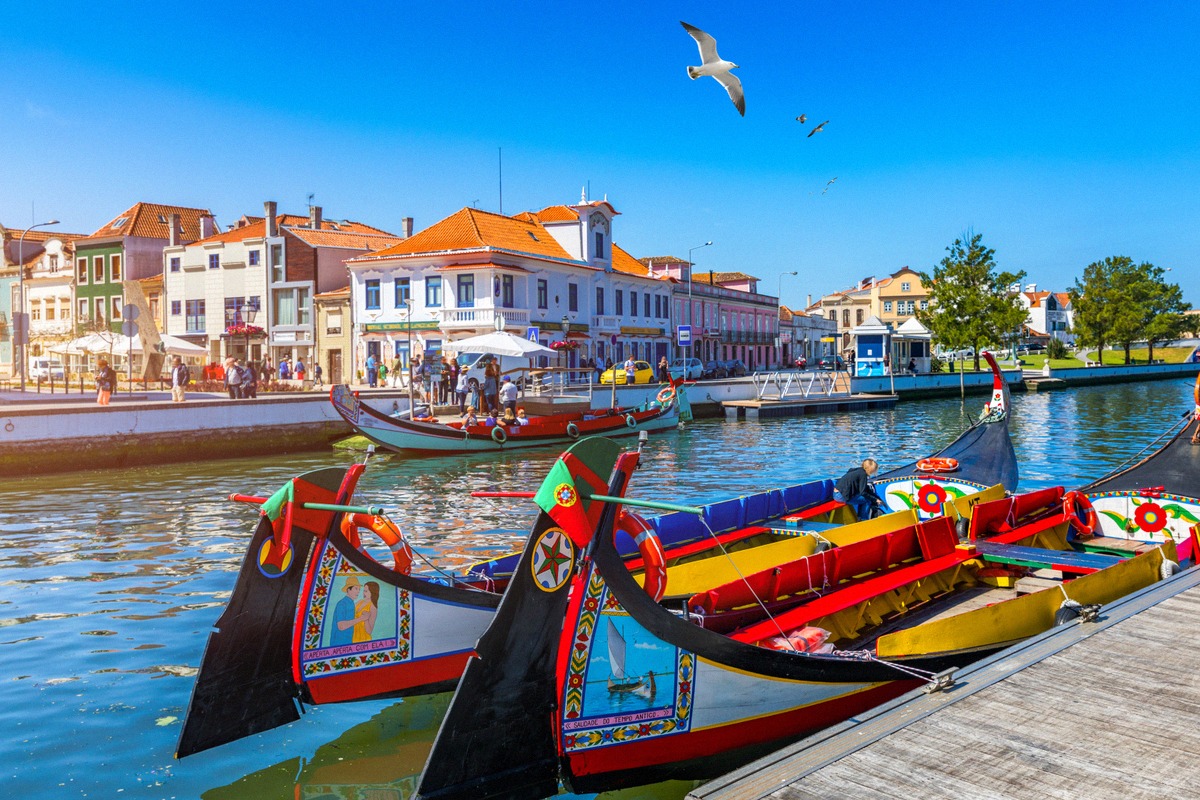
Around Porto lie towns you can see in a day: Aveiro with its lagoon and moliceiro boats, Guimarães with its castle and ducal palace, and Braga with the Bom Jesus do Monte sanctuary. You can reach all three without a car on CP suburban trains, and the Douro Valley with its wine terraces is within reach too.
On this page
Day trips at a glance
Porto is a good base for day trips into northern Portugal. To the south, Aveiro sits on a wide lagoon; to the north lie the old towns of Guimarães and Braga; to the east, the Douro Valley. You can reach every destination by train, and Aveiro, Braga and Guimarães on CP suburban trains.
| Destination | Known for | By train |
|---|---|---|
| Aveiro | Lagoon, moliceiro boats, museum in a former convent | Aveiro suburban line |
| Guimarães | Old town, castle, ducal palace | Guimarães suburban line |
| Braga | Bom Jesus do Monte sanctuary | Braga suburban line |
| Douro Valley | Wine terraces along the river | Douro Line |
Aveiro and its lagoon
Aveiro lies on the Ria de Aveiro, a lagoon that stretches for 45 km parallel to the coast from Ovar to Mira. It formed as the sea retreated and sandbars built up off the coast from the 16th century onwards. Four main channels branch out between numerous islands, and only one channel, between Barra and São Jacinto, connects the lagoon with the open sea.
The Ria is known for its colourful moliceiro boats, which today mostly carry visitors. One of the viewpoints over the lagoon is on Estrada Cais do Sal, by the Ecomuseu Marinha da Troncalhada.
In town, the Museu de Aveiro is worth a visit. It is housed in the former Convento de Jesus, a 15th-century Dominican convent. Princess Joana, daughter of King Afonso V, lived here and was beatified in 1693. Her tomb stands in the lower choir, and the museum also includes the convent church, the cloister and a collection of painting, sculpture, azulejos and goldsmiths' work.
Guimarães
Guimarães is known as the cradle of Portugal. According to tradition, Afonso Henriques, the country's first king, was born here in 1109. The historic centre has been a World Heritage Site since 2001, and in 2023 the Zona de Couros, the former tanners' quarter, was added. Houses of dark granite and brightly rendered façades are typical of the town.
On Monte Latito stand the 12th and 13th-century castle, the church of São Miguel and the Paço dos Duques de Bragança. The 15th-century palace was built for Afonso, the first Duke of Bragança and son of King João I. You can see the banqueting hall, the chapel, the armoury and the duke's bedchamber, along with collections of furniture, textiles, ceramics, painting and weapons.
Braga and Bom Jesus
On the slopes of Monte Espinho above Braga lies the Bom Jesus do Monte sanctuary, a World Heritage Site since 2019. It recreates Jerusalem as a sacred mountain crowned by a church. It was built and extended over some 600 years, and its present appearance is mainly Baroque. The church dates from 1784 to 1811.
The way up is lined with chapels, fountains, statues and gardens. Best known is the Stairway of the Five Senses, followed above by the Stairway of the Virtues. If you would rather not climb, take the Elevador do Bom Jesus. The funicular opened in 1882, climbs 116 m over a track of 267 m and uses water as a counterweight. It is considered the oldest water-counterbalanced funicular still operating anywhere in the world.
The Douro Valley
Upriver from Porto lies the Douro Valley with its wine terraces, the home of port wine. How to get there by train, boat or on a tour, and which places suit a day trip, is covered on the Douro Valley page.
By train from Porto
CP suburban trains around Porto run on their own lines to Aveiro, Braga and Guimarães, on a network 211 km long. At the main stations there are connections with CP long-distance trains. You can find timetables and tickets at CP.
The Douro Line runs into the Douro Valley. From 3 November 2026 to 24 March 2027, buses replace the trains between Marco de Canaveses and Régua.
For travel to Porto, see Getting there. If you are planning several day trips, you will find accommodation under Where to stay.
Frequently asked questions
Which day trips from Porto are worth it? +
Can I reach these places without a car? +
Is one day enough for a trip? +
More destinations from Porto
Douro Valley
The Douro Valley is port wine country and has been a World Heritage Site since 2001. The railway from Porto follows the river for long stretches, and Régua and Pinhão are the usual day-trip destinations.
Vila Nova de Gaia
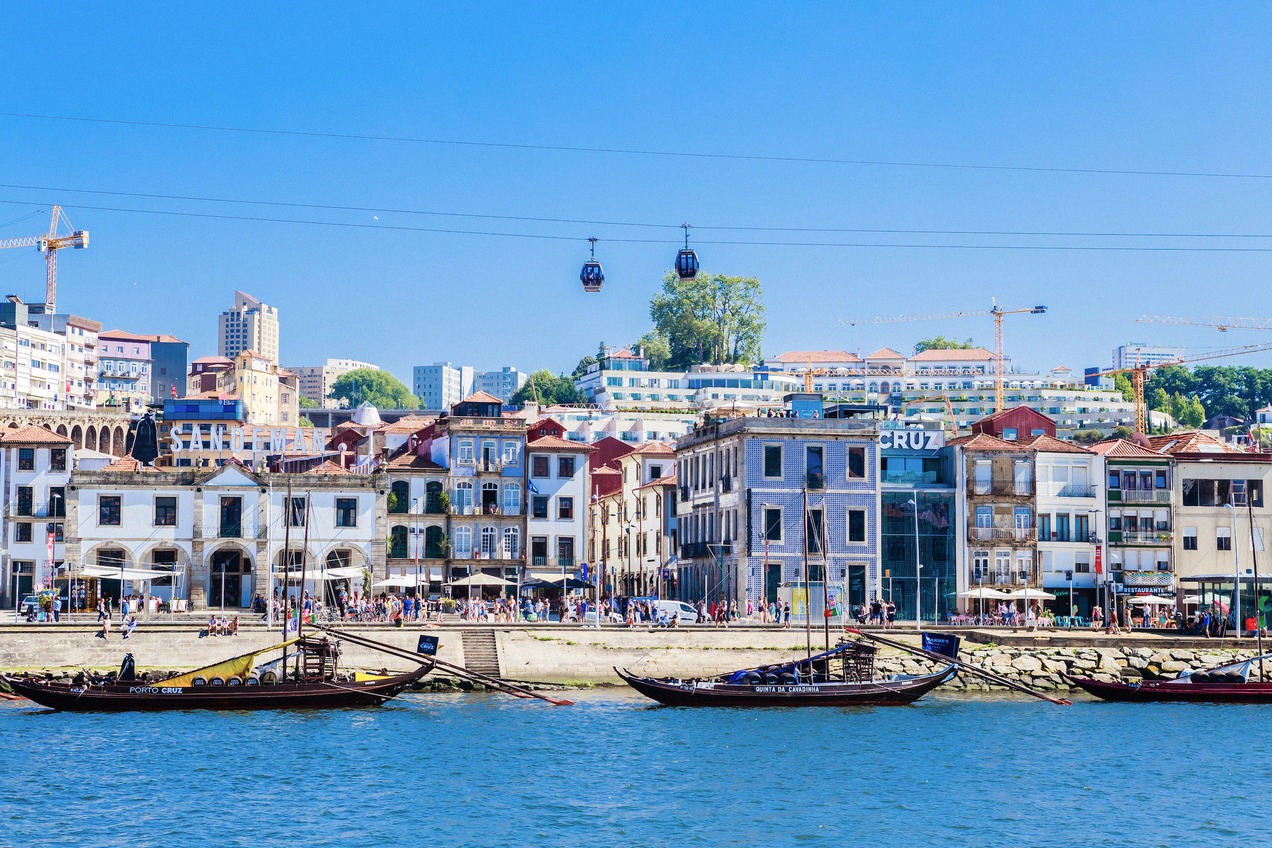
Gaia lies on the south bank of the Douro, opposite the Ribeira. The cellars of the port houses line the waterfront and the hillside, the Serra do Pilar Monastery stands above, and a cable car runs in between.
Where to stay
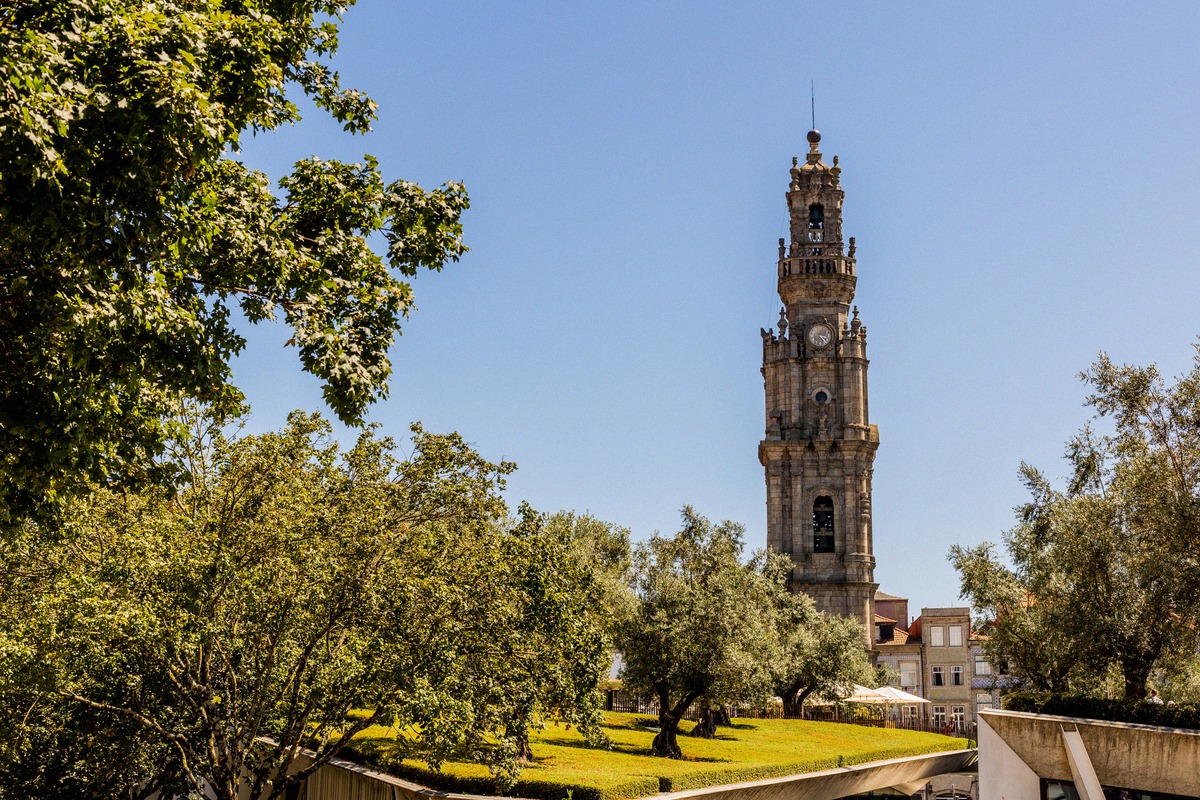
Which district in Porto suits you: the Ribeira and old town on the Douro, Baixa and Bolhão in the centre, Boavista, Vila Nova de Gaia opposite the old town and Foz do Douro on the Atlantic, plus the tourist tax.