
Getting to Porto and getting around
Flights, trains, metro and historic trams
Porto has its own airport with a metro link, and the Alfa Pendular runs from Lisbon to Campanhã in just under three hours. In the city, the metro, three historic tram lines and city buses connect the districts.
On this page
By air
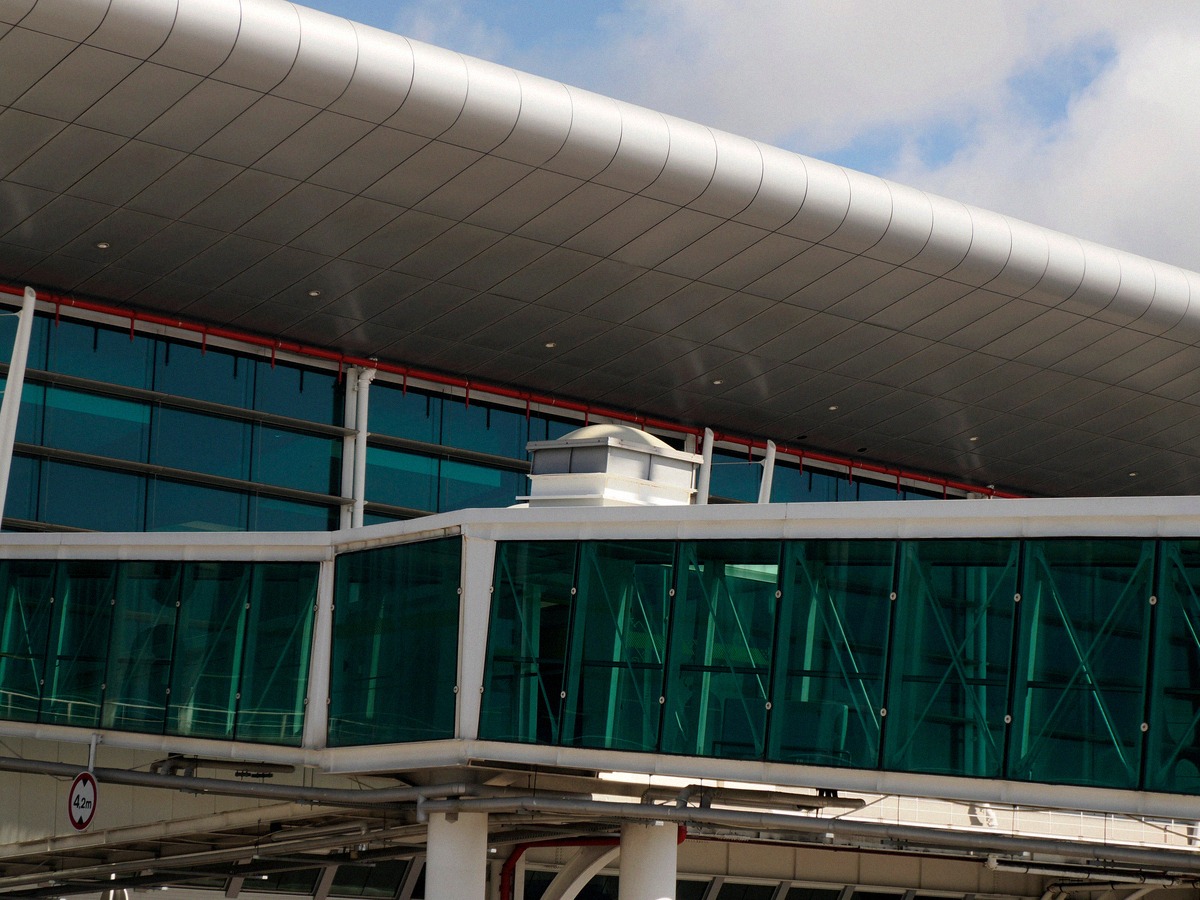
Francisco Sá Carneiro Airport lies in Maia, about 11 km outside the city. From there, Metro line E reaches Trindade in the centre in around half an hour. There are also STCP city buses and, at night, the 3M bus to Avenida dos Aliados.
How best to continue after landing, by metro, bus or taxi, and when the last metro runs, is covered in detail on the Porto Airport page.
By train
From Lisbon, the train is the most comfortable connection. Comboios de Portugal runs the Alfa Pendular and Intercidades trains on the route. The Alfa Pendular takes just under three hours from Lisboa Oriente to Porto Campanhã, stopping at Coimbra-B and Vila Nova de Gaia - Devesas, among others. Intercidades trains have two classes, Conforto and Turística.
Long-distance trains terminate at Campanhã, the main station in the east of the city. From there you have two ways into the centre:
- By CP suburban train to São Bento. The journey takes five minutes and brings you right into the Baixa.
- By metro. Campanhã is on lines A, B, C, E and F, all of which run along the central trunk section to Trindade.
CP regional trains also run from Porto to Régua in the Douro Valley. What to see first once you arrive in the Baixa is on the Sights page.
By car
With your own car or a hire car, you reach Porto on the Portuguese motorway network. In the city itself, a car is more of a burden: the old town around the Ribeira is narrow and steep, and most sights are so close together that you can reach them on foot or by metro.
A car is mainly useful for trips to the Douro vineyards or to the coast north of Matosinhos. In that case, choose accommodation with parking and leave the car there on your days in the city.
Metro
Some lines of the Metro do Porto reach far into the surrounding region. What matters most for visitors is which line goes where:
- Line A (Estádio do Dragão - Senhor de Matosinhos) runs via Campanhã, Trindade and Casa da Música to Matosinhos by the sea.
- Line B (Estádio do Dragão - Póvoa de Varzim) runs north from the centre to Póvoa de Varzim on the coast.
- Line C (Campanhã - ISMAI) starts at Campanhã mainline station.
- Line D (Hospital S. João - Vila d'Este) links the north of the city with the south across the Douro.
- Line E (Trindade - Aeroporto) is the airport line.
- Line F (Fânzeres - Senhora da Hora) links the eastern suburbs with the trunk section.
Lines A, B, E and F share the trunk section through the centre via Trindade, Bolhão and Campanhã, which makes Trindade the main interchange. From there, line A reaches Matosinhos Sul, the station by the city beach, in around half an hour.
Which ticket you need for the metro, buses and suburban trains, and where to buy it, is explained on the page Public transport in Porto.
Trams and buses
Porto has three historic tram lines, run by STCP:
- Line 1 runs from Infante near the Ribeira to Passeio Alegre in Foz do Douro, where the river meets the sea.
- Line 18 links Carmo with Passeio Alegre.
- Line 22 runs through the centre between Carmo and Batalha.
The tram is slow, but line 1 is a lovely alternative to the metro for the trip to the sea.
STCP also runs the city bus network, including a night network. Lines 601, 602 and 604 stop at the airport, and line 3M at night.
Entry and safety
With a full British citizen passport you enter Portugal under Schengen rules. The passport must have been issued less than 10 years before the day you arrive and must be valid for at least 3 months after the day you plan to leave the Schengen area. Without a visa you can stay up to 90 days in any 180-day period. At the border you may be asked to register your fingerprints and a photo in the EU Entry/Exit System (EES), which is free of charge, and to show a return or onward ticket.
Pickpocketing is common in Porto, especially in the old town and the Ribeira, on the historic trams, at railway stations and in metro stations. Keep valuables close to your body and carry only a little cash. Violent crime is rare. In an emergency, call 112 for the emergency services.
Frequently asked questions
How do I get from Lisbon to Porto? +
The train is the most comfortable option. The Alfa Pendular runs from Lisboa Oriente to Porto Campanhã in just under three hours, and there are also Intercidades trains. From Campanhã, a suburban train takes five minutes to São Bento in the centre.
Do I need a car in Porto? +
Not for the city. The metro, trams and buses reach the districts, and you explore the old town on foot anyway. A car is more useful for trips into the Douro Valley away from the railway.
Which historic trams run in Porto? +
There are three lines: the 22 runs through the centre between Carmo and Batalha, the 1 from Infante to Passeio Alegre in Foz do Douro, and the 18 from Carmo, also to Passeio Alegre.
What documents do I need for Portugal? +
With a full British citizen passport you travel under Schengen rules. The passport must have been issued less than 10 years before you arrive and must be valid for at least 3 months after the day you leave the Schengen area. You can stay up to 90 days in any 180-day period without a visa.
More travel information
Airport
Porto Airport lies about 11 km outside the city. Metro line E takes you to Trindade in the centre in around half an hour, and at night the 3M bus runs.
Where to stay
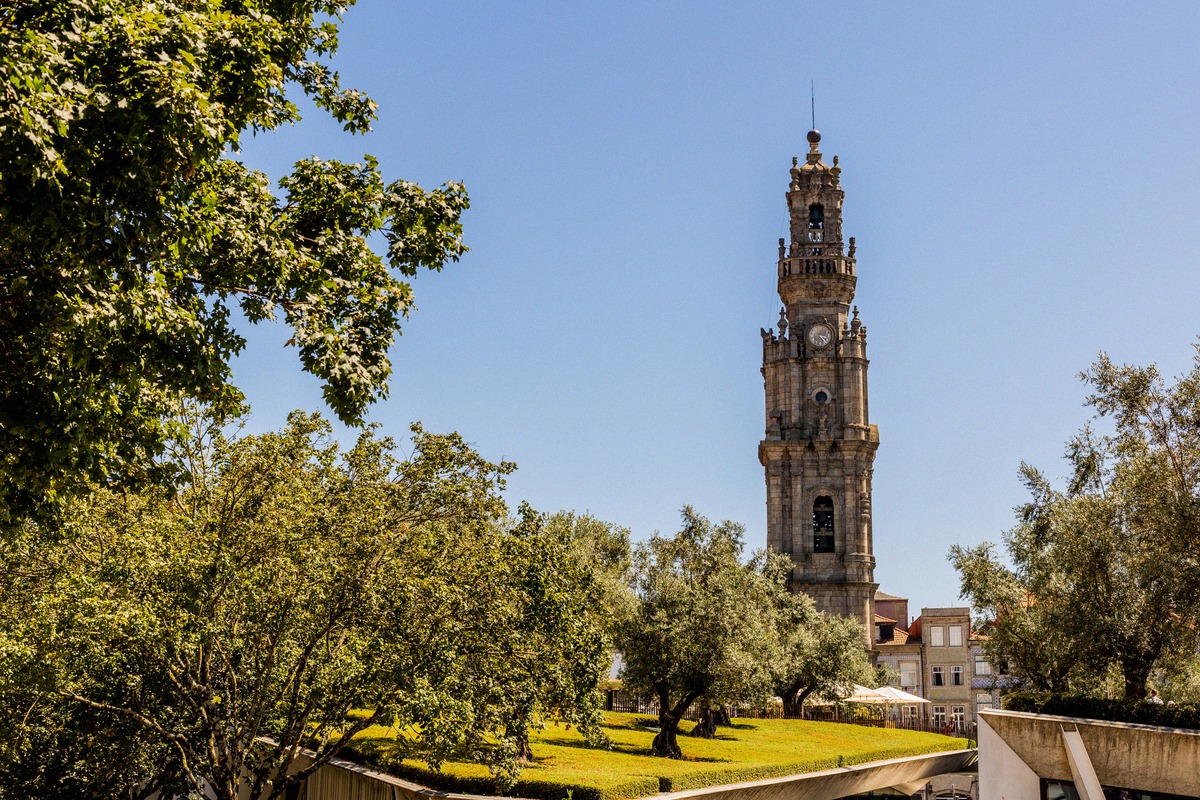
Which district in Porto suits you: the Ribeira and old town on the Douro, Baixa and Bolhão in the centre, Boavista, Vila Nova de Gaia opposite the old town and Foz do Douro on the Atlantic, plus the tourist tax.
Sights
Porto's old town is a UNESCO World Heritage Site. Its highlights include the Sé Cathedral, the Torre dos Clérigos, São Bento station with its tile panels, the Palácio da Bolsa and the Ribeira on the Douro.